Violence in South Africa Schools has reached alarming levels, affecting thousands of students and educators daily. From physical assaults to bullying and gang-related incidents, violence in South African schools has become a persistent challenge that demands immediate attention and comprehensive solutions.
In this article we tried to figure out the many factors behind this. Understanding the root causes, recognizing the various forms of school violence, and implementing effective safety measures are crucial steps toward creating secure learning school environments for all students.
Causes of Violence in South Africa Schools
School violence rarely occurs in isolation. Multiple interconnected factors contribute to the prevalence of violence in South African schools, creating a complex web of challenges that educators and policymakers must address.
Socioeconomic Factors:
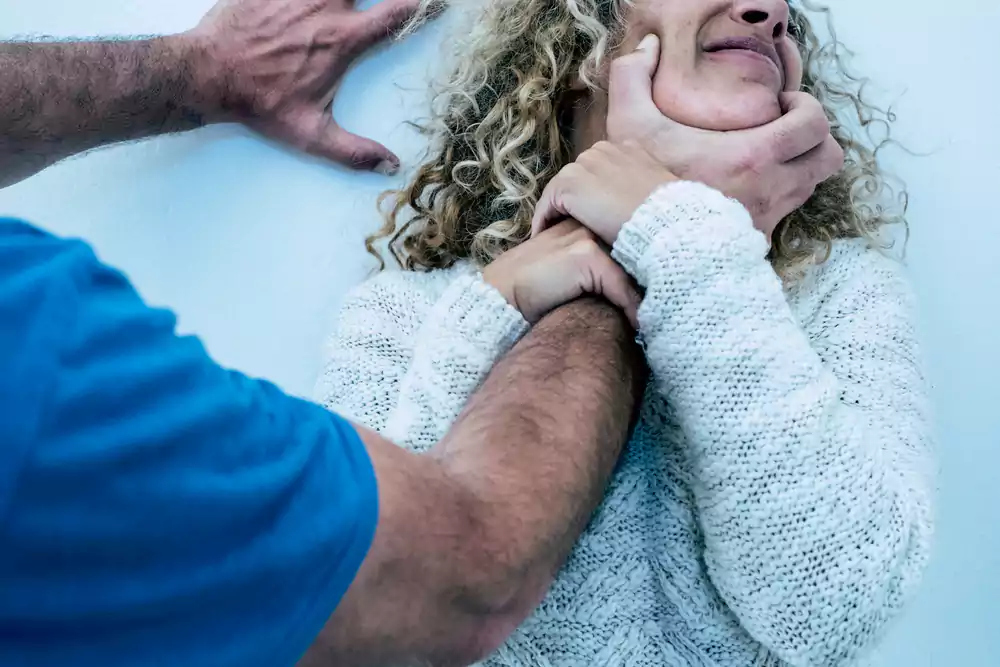
Poverty and economic inequality play significant roles in fueling school violence. Many students come from disadvantaged backgrounds where violence may be normalized as a means of conflict resolution. Limited resources at home can lead to frustration and aggression that manifests in school settings.
Community Violence Spillover:
The high crime rates in many South African communities directly impact schools. Students witness violence in their neighborhoods, and these experiences often translate into aggressive behaviors within school premises. Gang activities frequently extend into educational institutions, creating additional safety concerns.
Overcrowding and Resource Constraints:
Many South African schools operate with limited resources and overcrowded classrooms. These conditions create stress for both students and teachers, potentially leading to increased tensions and conflicts. When basic needs aren’t met, the learning environment becomes unstable.
Lack of Proper Infrastructure:
Inadequate security measures, poorly maintained facilities, and insufficient supervision create environments where violence can flourish unchecked. Schools without proper fencing, security personnel, or functioning safety protocols are particularly vulnerable.
Devastating Effects on Learning and Teaching
Violence in schools creates lasting impacts that affect educational outcomes and personal development. Let’s have a quick look at some of the effects of violence in school.
Academic Performance Decline:
Students exposed to violence often experience decreased concentration, memory problems, and reduced academic motivation. Fear of violence can lead to absenteeism, directly impacting learning outcomes and future opportunities.
Teacher Burnout and Turnover:
Educators working in violent environments frequently experience high stress levels, leading to burnout and career changes. This creates instability in the education system and reduces the quality of instruction available to students.
Psychological Trauma:
Both students and teachers can develop post-traumatic stress symptoms from exposure to school violence. These psychological impacts can persist long after the violent incidents occur, affecting mental health and well-being.
Most Common Forms of Violence in South Africa Schools
Understanding the various manifestations of school violence helps identify appropriate prevention and intervention strategies.
Physical Violence:
Direct physical confrontations between students, including fights, assaults, and attacks with weapons, represent the most visible form of school violence. These incidents can result in serious injuries and create climates of fear.

Bullying and Cyberbullying:
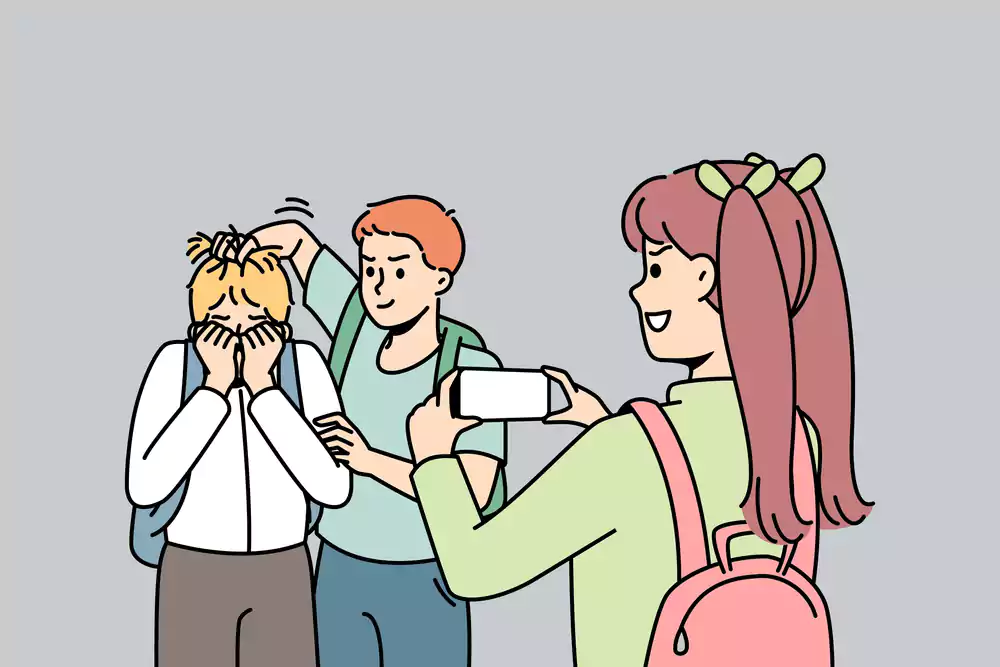
Systematic harassment, intimidation, and exclusion affect countless students. With increasing access to technology, cyberbullying has become a growing concern, extending violence beyond school hours and premises.
Sexual Violence and Harassment:
Inappropriate sexual behavior, sexual harassment, and assault create particularly harmful environments for victims. These incidents often go unreported, and so many young students fear to report this violence against them. So it made it difficult to address the full scope of the problem.
Gang-Related Activities:
Gang recruitment, territorial disputes, and drug-related violence bring external conflicts into school environments. These activities can transform schools into battlegrounds rather than safe learning spaces.
Verbal Abuse and Threats:
Threats, hate speech, and aggressive verbal confrontations create hostile environments that can escalate into physical violence. These behaviors often serve as precursors to more serious incidents.
Key Safety and Protection Measures for Violence Victims
Protecting students and staff requires comprehensive safety strategies that address both immediate threats and long-term prevention.
Immediate Response Protocols:
Schools must establish clear procedures for responding to violent incidents or call the police or emergency response team like iFearLESS rapid response team. This includes emergency contact systems, medical response protocols, and secure areas where students and staff can seek safety.
Counseling and Support Services:
Providing psychological support for violence victims is essential for recovery and preventing future incidents. Professional counselors trained in trauma response can help students and staff process their experiences.
Reporting Mechanisms:
Safe, confidential reporting systems encourage victims and witnesses to come forward. Anonymous reporting options can help overcome fear of retaliation while ensuring incidents are properly documented.
Victim Protection Programs:
Schools need policies that protect victims from further harm, including measures to prevent retaliation and ensure continued access to education in a safe environment.
How School Violence Creates Community Safety Threats
Violence in South African schools doesn’t remain contained within school boundaries. These incidents create broader community safety challenges that affect entire neighborhoods.
Normalization of Violence:
When violence becomes commonplace in schools, it contributes to the normalization of aggressive behavior throughout the community. Young people may view violence as an acceptable problem-solving method.
Criminal Activity Expansion:
School is one of the root institutions to learn discipline and practice. So, not giving attention to school violence. In future the School-based violence can serve as a training ground for more serious criminal activities in South Africa. Students involved in school violence may progress to community-level crimes as they mature.
Breakdown of Social Structures:
Schools traditionally serve as community anchors and sources of stability. When schools become centers of violence, entire communities lose important social support structures.
Individual Impact of Violence in South Africa Schools
The personal consequences of school violence affect students’ entire life trajectories, creating long-term challenges that extend far beyond their school years.
Educational Disruption:
Students who experience or witness violence often struggle to maintain focus on academic goals. This disruption can limit future educational and career opportunities for so many students across the country.
Social Development Challenges:
Getting involved at the early stage of life can impair students’ ability to form healthy relationships and develop appropriate social skills. So, these challenges will suffer and persist into adulthood, it will affect personal safety and professional relationships in the long run..
Mental Health Consequences:
Anxiety, depression, and post-traumatic stress frequently result from school violence exposure. These mental health impacts can affect all aspects of an individual’s life and require professional intervention.
Behavioral Changes:
Students may develop aggressive behaviors as coping mechanisms or withdraw from social interactions entirely. These behavioral changes can create additional challenges in educational and social settings.
Utilizing Technology Solutions: The iFearLESS App
Modern technology offers innovative approaches to addressing school violence. The iFearLESS app represents one such solution, providing students with immediate access to safety resources and support.
Emergency Response Features:
The app enables users to quickly report incidents and request help during emergencies. This immediate access to assistance can prevent minor incidents from escalating into serious violence.

Anonymous Reporting:
Students can report concerns anonymously, reducing fear of retaliation while ensuring that potential threats are identified and addressed promptly.
Safety Resources:
The app provides access to safety tips, emergency contacts, and educational resources that help students navigate dangerous situations more effectively.
Community Connection:
By connecting students with local support services and resources, the app helps build stronger safety networks within communities.
Download iFearLESS App today and Stay Away from any kind of Violence’s in School-
Install the app from the Google Play Store for Android and App Store for iOS Devices
How iFearLESS Ensures Student Safety in South Africa
The iFearLESS safety app addresses specific challenges faced by South African students, offering tailored solutions for local contexts.
Localized Support Networks:
The app connects students with local law enforcement, counseling services, and community organizations that understand the specific challenges of South African schools.
Multilingual Accessibility:
Supporting multiple South African languages ensures that all students can access safety resources regardless of their primary language.
Continuous Monitoring:
Regular updates and improvements ensure that the app remains effective in addressing evolving safety challenges.
Final Verdict
Violence in South African schools requires collaborative efforts from all including students, parents and teachers. So the Schools, families, communities, and government agencies must work together to create comprehensive solutions.
Technological solutions like the iFearLESS app provide valuable tools, but they must be part of broader efforts that include improved funding, better training for educators, and stronger community support systems. Every student deserves the opportunity to learn in a safe, supportive environment where they can reach their full potential.