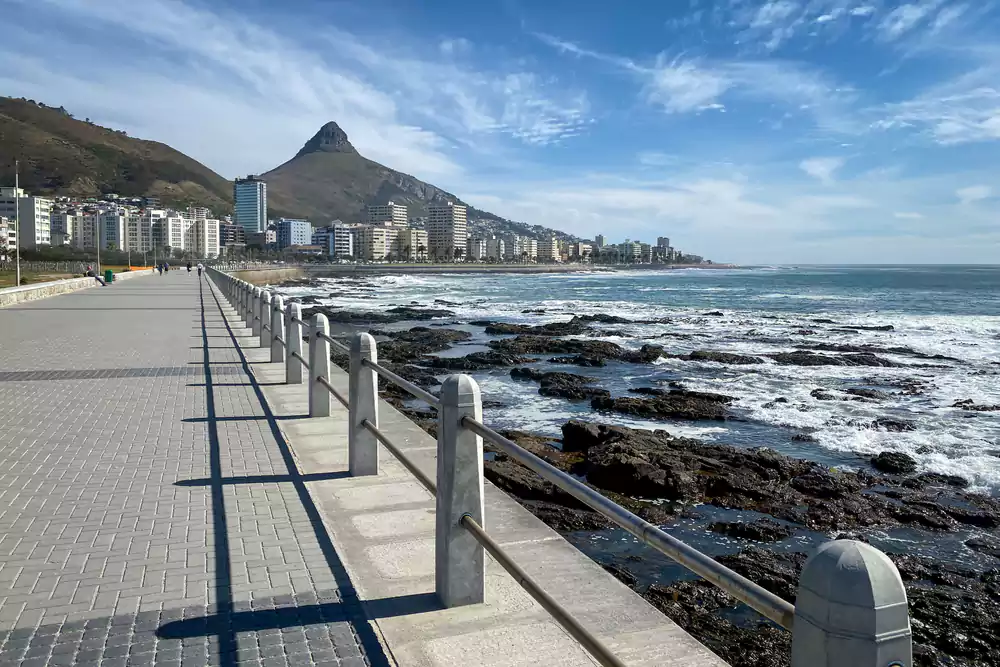
South Africa offers some of the world’s most spectacular driving routes, from coastal highways with ocean views to mountain passes that showcase dramatic landscapes. Yet beneath this scenic beauty lies a harsh reality: the country’s roads are among the most dangerous globally, with accident rates and crime statistics that demand serious attention from every driver.
Understanding which routes pose the greatest risks can save lives and prevent traumatic experiences. Whether you’re planning a cross-country adventure or navigating daily commutes, knowing what hazards await helps you prepare accordingly. The key lies not in avoiding these roads entirely, but in approaching them with the right knowledge, preparation, and safety tools.
Most Dangerous Roads in South Africa
Several routes across the country have earned reputations for danger due to their alarming statistics and challenging conditions:
N1 Highway (Johannesburg to Cape Town)
This major artery connects two of South Africa’s largest cities, making it one of the busiest routes in the country:
- Frequent multi-vehicle collisions involving cars and heavy trucks.
- High rates of vehicle hijackings, particularly near urban centers and rest stops.
- Fatigue-related crashes are common due to the 1,400-kilometer distance.
- Cash-in-transit heists targeting armored vehicles create dangerous situations for all motorists.

N3 Highway (Johannesburg to Durban)
The route to KwaZulu-Natal presents unique challenges that have claimed countless lives:
- Severe weather including dense fog and torrential rainfall reduce visibility.
- Heavy truck traffic leads to numerous fatal accidents, especially on steep sections.
- Van Reenen’s Pass notorious for jackknifed trucks and multi-vehicle pileups.
- Crime incidents increase during holiday seasons when traffic volume peaks.
R102 (KwaZulu-Natal South Coast)
This coastal route combines scenic beauty with serious safety concerns:
- Extremely high pedestrian fatality rates as communities use the road for transportation.
- Frequent head-on collisions on winding sections with limited visibility.
- Crime hotspots near townships where vehicles are targeted for hijacking.
- Poor road maintenance creates additional hazards for unsuspecting drivers.
N2 Highway (Cape Town to Port Elizabeth)
The Garden Route’s main highway faces both crime and accident challenges:
- Notorious for cash-in-transit heists that endanger innocent motorists.
- Poor road conditions in certain sections increase accident risk.
- Holiday season traffic creates dangerous overtaking situations.
- Isolated stretches provide opportunities for criminal activity.
Chapman’s Peak Drive (Cape Town)
This mountain scenic route demands extreme caution:
- Narrow lanes with sharp curves and steep drop-offs into the ocean.
- Rock falls create sudden obstacles, especially during adverse weather.
- Limited escape routes mean minor incidents can become major emergencies.
- Tourist unfamiliarity with conditions contributes to accident rates.
Key Factors Behind the Danger
Multiple elements combine to create these hazardous conditions. Poor road maintenance leaves potholes, broken barriers, and inadequate signage that catch drivers off guard. Many routes lack proper lighting for night driving, while heavy truck traffic increases both accident severity and road wear.

Criminal activity thrives in isolated areas where help takes time to arrive. Economic challenges in surrounding communities sometimes drive desperate individuals to target motorists. Meanwhile, many drivers lack defensive driving training needed for South Africa’s unique road challenges.
Weather conditions add another layer of complexity, with sudden fog, heavy rains, and strong coastal winds creating unpredictable hazards that can appear without warning.
Essential Safety Tips for Drivers
Smart preparation significantly reduces your risk on dangerous roads:
- Plan daytime travel whenever possible, avoiding night driving on high-risk routes.
- Inform trusted contacts of your route, departure time, and expected arrival.
- Maintain your vehicle with regular checks of tires, brakes, and emergency equipment.
- Carry emergency supplies including water, non-perishable food, blankets, and basic tools.
- Keep fuel tanks full to avoid stops in isolated or dangerous areas.
- Stay alert for suspicious activity and trust your instincts about potentially dangerous situations.
- Choose stops carefully, using well-lit service stations with security presence.
- Lock doors and keep windows mostly closed, especially in urban areas and known hotspots.
- Avoid displaying valuables that might attract unwanted attention from criminals.
Why Emergency Response Apps Are Essential
Traditional emergency services face significant challenges reaching remote locations quickly. Cell phone coverage can be spotty, and describing your exact location during a crisis becomes difficult when you’re unfamiliar with the area.

Emergency response apps bridge these gaps by providing instant access to help with precise GPS coordinates. They connect you directly to emergency services and security companies that understand local conditions and can respond appropriately to different types of incidents.
Related Articles: Top 10 Most Dangerous Areas in Cape Town
Top 10 Most Dangerous Places in Johannesburg
How iFearLESS App Protects Drivers
The iFearLESS app offers comprehensive safety features designed specifically for South African road conditions and challenges.
Real-time location sharing allows trusted contacts to monitor your journey and receive automatic alerts if something goes wrong. Your designated contacts can track your progress and know immediately if you deviate from planned routes or stop unexpectedly.
Instant panic button access connects you immediately to emergency responders and security services with your exact location transmitted automatically. This eliminates precious time lost trying to explain where you are during a crisis.
Community safety updates provide real-time information about road conditions, crime reports, traffic incidents, and weather hazards along your planned route. Other users share important information that could prevent you from driving into dangerous situations.

Integration with local services ensures faster response times by connecting directly with security companies and emergency services familiar with your area. The app works even in areas with limited cellular coverage, using advanced technology to maintain connectivity when traditional phone calls fail.
Download the iFearLESS App on [Google Play Store] and [App Store]
Conclusion
South Africa’s dangerous roads shouldn’t prevent you from experiencing the country’s incredible landscapes and destinations. The key lies in respecting the risks while taking appropriate precautions to protect yourself and your passengers.
Preparation, awareness, and reliable emergency support form the foundation of safe travel on any South African road. By understanding the specific dangers each route presents and equipping yourself with tools like the iFearLESS app, you transform potentially life-threatening situations into manageable challenges.
Remember that even experienced local drivers treat these roads with serious respect. Your safety depends on maintaining constant vigilance, driving defensively, and never underestimating the importance of having professional emergency support just a button press away.